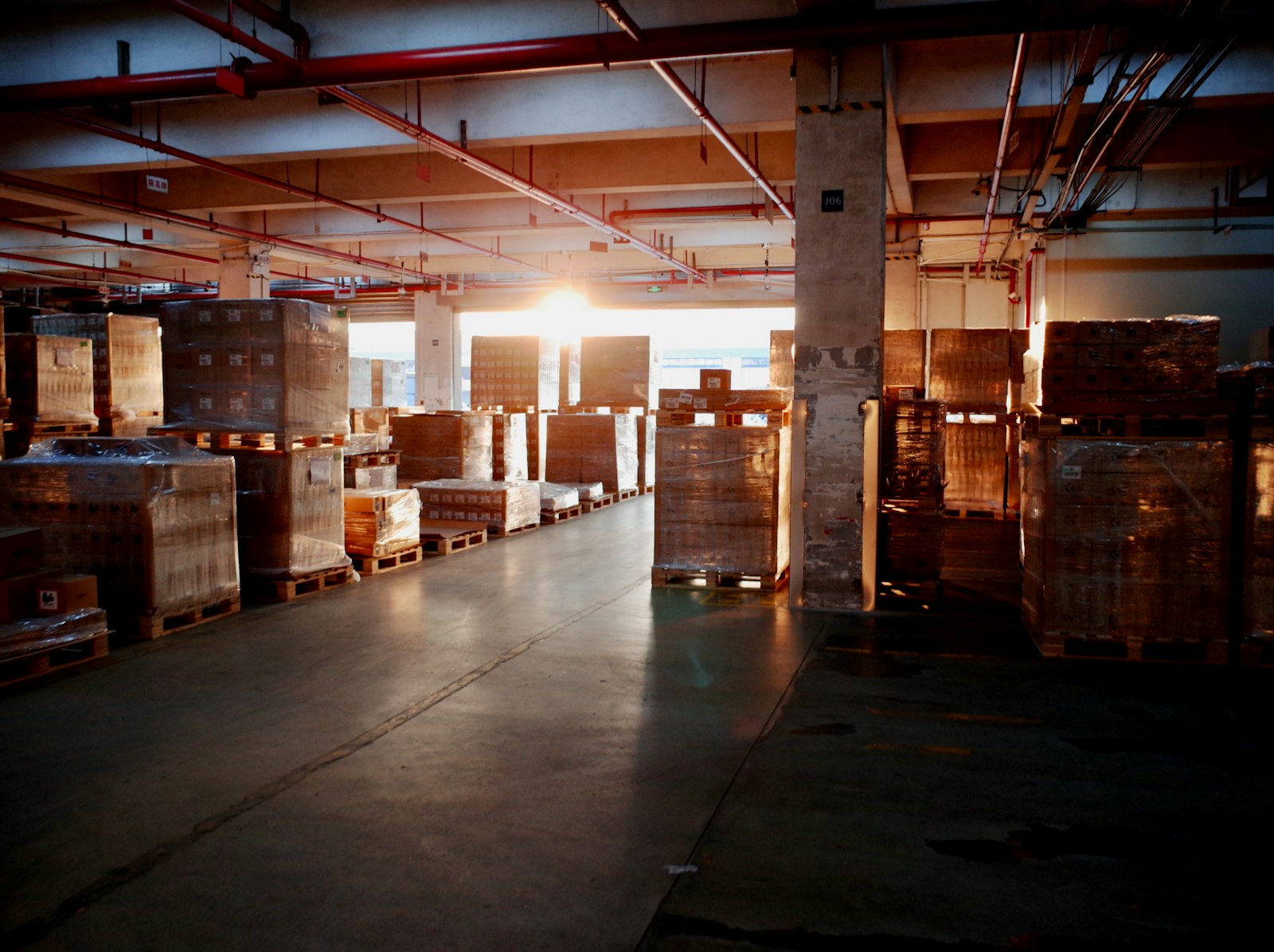
A pallet of returned laptops hits your receiving dock on a Tuesday. The paperwork arrives in three formats, none you fully trust, and there are two more trucks behind it. Now imagine that Tuesday repeating in a market where more devices are landing sooner than anyone planned.
For most of this industry's history, the hard part of IT asset disposition (ITAD) was sourcing: finding the lots, winning the bids, keeping the pipeline full. That is changing. As volume climbs, AI-powered intake—the process of turning a newly received device into accurate, usable operational data—is becoming the constraint that decides who keeps margin.
The constraint moved to the receiving floor.
What is driving the ITAD volume surge?
The increase is not coming from one event. Several forces are pushing equipment into disposition channels at the same time.
The first is AI adoption. As organizations upgrade to AI-capable software and hardware, some are retiring existing fleets earlier than originally planned. ITAD Daily highlighted the operational consequence in July: more equipment moving sooner into collection, refurbishment, resale, and recycling channels. The article does not attempt to quantify the increase, but it reflects a trend many operators are beginning to discuss.[1]
The second is Windows 10. Microsoft ended standard support for most Windows 10 editions on October 14, 2025. Canalys previously estimated that as many as 240 million PCs could become e-waste because they cannot meet Windows 11 requirements. Those retirements will not happen all at once, but they create a multi-year stream of equipment that organizations must redeploy, resell, recycle, or otherwise manage.[2]
The third signal is already visible in operator results. Iron Mountain reported $232 million in Asset Lifecycle Management revenue during the first quarter of 2026, up 92 percent year over year, including more than 100 percent organic growth in data center decommissioning. One operator cannot represent an entire market, but growth at that scale suggests demand for lifecycle and decommissioning services is expanding materially.[3]
None of these signals, by itself, explains the market. Together, they point in the same direction: more assets moving through disposition channels, and more pressure on the intake processes responsible for identifying, grading, pricing, and routing them.
Why AI-powered intake becomes the bottleneck
Volume only becomes revenue after a device is received, identified, priced, graded, and routed. As more assets move through ITAD channels, the intake process—the moment a device is turned into usable operational data—becomes the point that determines how quickly everything else can happen.
Manual intake is where the strain shows first. Someone keys a serial number. Someone adds a “new” SKU that's already been entered three times. Someone guesses at specifications that determine where the device should go next. At a steady flow, experienced receivers absorb those steps with little friction. As volume increases, the same work becomes a queue. Devices accumulate in staging, and every hour they wait delays the decisions that create value.
The cost of delay is especially visible in high-value infrastructure. Some industry estimates suggest that refresh cycles for specialized AI hardware are compressing toward 18 to 36 months as newer accelerator generations enter service.[4][5] That places sudden pressure on the value of the equipment they replace. A high-value device sitting unidentified in a backlog is not money in the bank, it's a waste of space and loss of profit.
You do not need GPUs on your floor for the logic to hold. Laptops, phones, networking equipment, and enterprise servers are all exposed to changing market demand. The sooner a device is identified and priced, the sooner it can move toward the right disposition instead of waiting in an aisle for someone to reach it.
The old floor was built for a slower market
None of this means the old way was wrong. Gut feel, master lists, broker relationships, and a receiver who knows a model on sight built real businesses, and they still matter. They were built for a flow that moved at a certain pace.
That pace has changed. When volume climbs and labor stays tight, memory-based intake cracks in familiar places: a device misidentified at receiving, a grade that drifts from one technician to the next, a backlog quietly growing behind the dock door. Each is minor alone. Across a surge, they're where margin leaks out of an otherwise good deal.
Where the receiving floor is heading
Throughput and accuracy have become increasingly difficult to balance by hand. Move devices faster by guessing and the cost appears later as mis-routes, returns, and pricing mistakes. Slow down to protect accuracy and the backlog begins to erode the value you were trying to preserve.
The operations pulling ahead treat intake as a data-capture problem rather than a data-entry problem. They capture a clean identification and current pricing signal as soon as a device arrives, allowing downstream grading, pricing, and routing decisions to begin with better information instead of being rebuilt later from incomplete records.
That is where AI-powered intake creates leverage. AI-driven routing is only as good as the cost structure it's based on. Pricing is only as good as the identification that came before it. Grading only works when everyone is looking at the scale through the same lens. The farther upstream accurate data is captured, the less downstream work has to be corrected.
That is the problem we built GreenSight to solve. Our platform captures structured device information as soon as an asset reaches the receiving floor, giving pricing and routing decisions a reliable record to build from instead of forcing teams to reconstruct it later. The goal isn't to replace experienced operators. It's to make sure the information they depend on is complete, current, and available from the first scan onward.
The volume is coming either way. The operators who come out ahead won't be the ones who took in the most devices. They'll be the ones who captured the information that preserves value before the backlog had a chance to destroy it.
Sources
- [1] ITAD Daily, “Why AI Is Shortening Enterprise Device Lifecycles (and Increasing ITAD Volume),” July 8, 2026. https://itaddaily.com/2026/07/08/why-ai-is-shortening-enterprise-device-lifecycles-and-increasing-itad-volume/
- [2] IT Pro, “Windows 10 end of life could create a major e-waste problem” (Canalys estimate). https://www.itpro.com/software/windows/windows-10-end-of-life-could-create-a-major-e-waste-problem
- [3] Iron Mountain Q1 2026 earnings (SEC 8-K). https://www.sec.gov/Archives/edgar/data/0001020569/000102056926000036/q12026earningspressrelea.htm
- [4] ROC Telecom, “GPU decommissioning vs server retirement.” https://roctelecom.com/insights/gpu-decommissioning-vs-server-retirement/
- [5] Invrecovery, “Data Center Decommissioning in 2026.” https://invrecovery.org/data-center-decommissioning-in-2026-navigating-ai-infrastructure-upgrades/
About GreenSight Technologies
GreenSight Technologies helps ITAD and electronics recovery facilities move faster and capture more value by bringing real-time intelligence to device intake. Its automation tools support identification, cosmetic grading, valuation, and routing to determine the most profitable path for each device.
Media Contact
For more information, please contact:
[email protected]