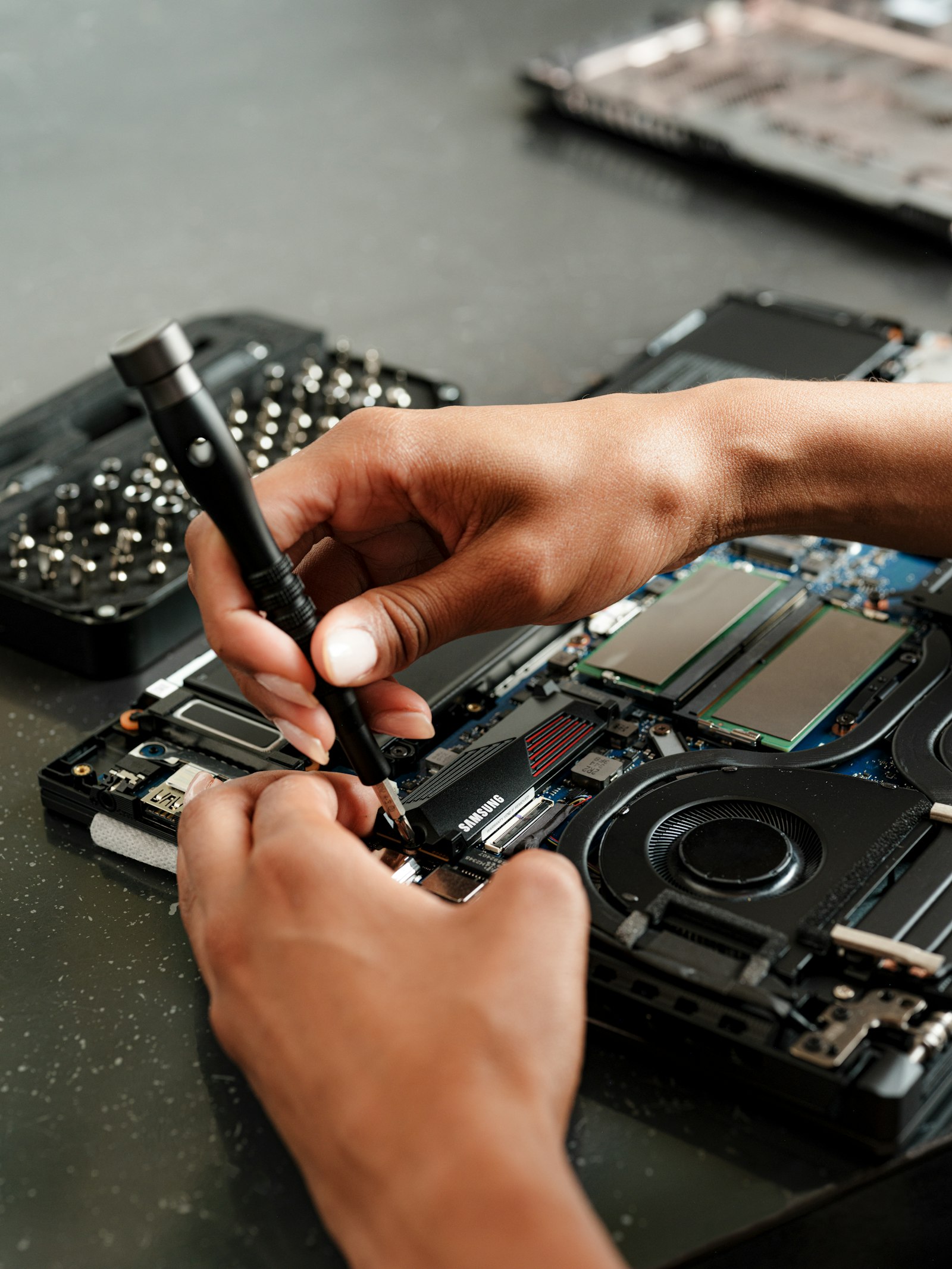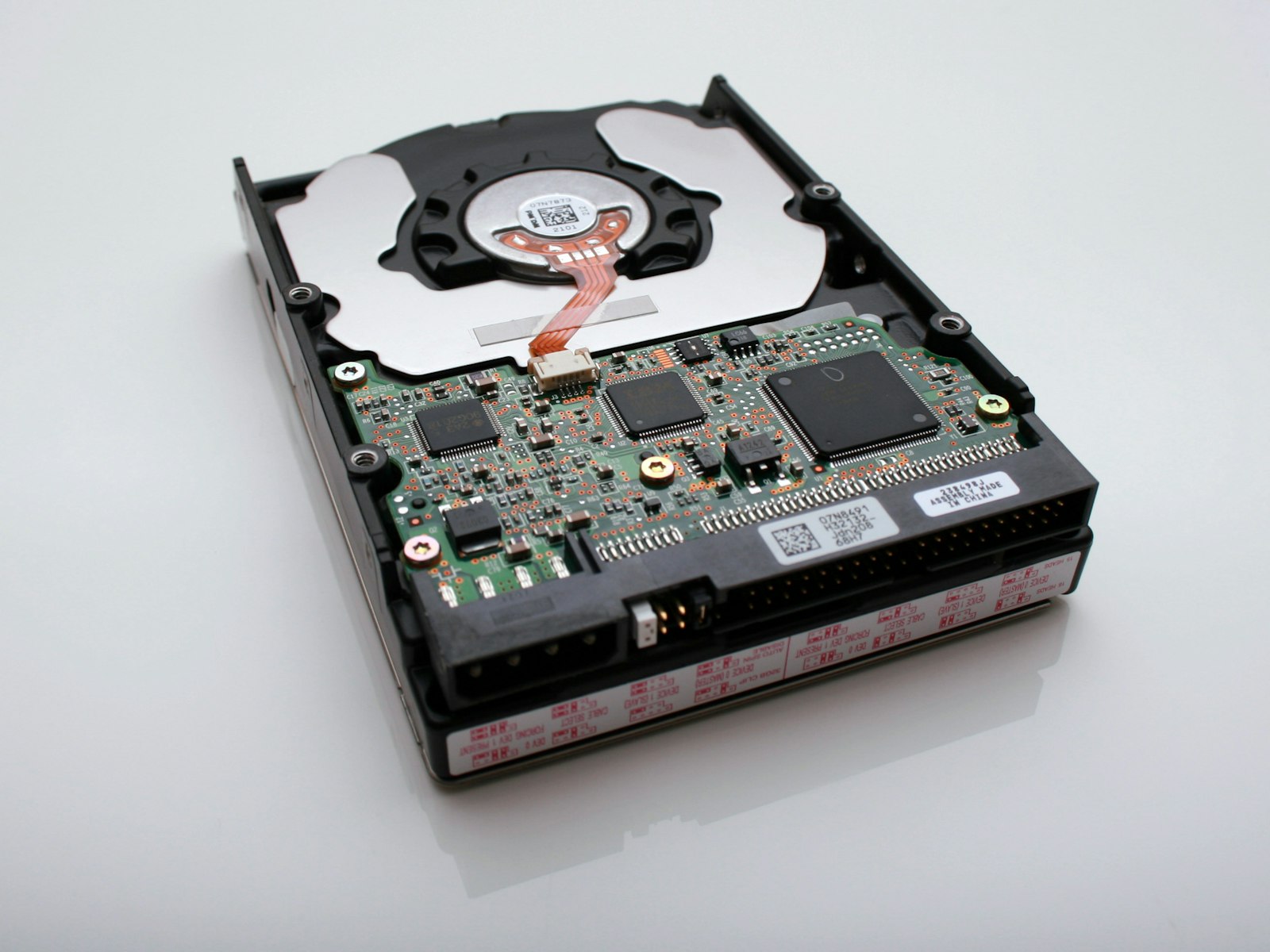
A pallet comes off the truck at 9 a.m. By lunch it has to be sorted, and the technician working it has a number to hit. Most of it is obvious. Laptops in one place, servers in another. Then there is the odd box: a network switch, a handful of USB sticks, a docking station with onboard storage. Fast hands make a call, and the call is usually right.
Usually is the problem.
The failures in IT asset disposition (ITAD) rarely happen at the shredder. They happen thirty feet earlier, at the table where someone decides what a device even is. That decision is where AI device identification is quietly becoming the most important control on the floor. This week's ITAD Daily put it plainly: most ITAD security failures come from human error inside the facility, not from outside attackers.[1]
The breach usually starts at the sorting table, not the shredder
Destruction gets the budget and the audit attention. Identification gets the blame. In Blancco's 2026 State of Data Sanitization Report, 38 percent of organizations said they had a data leak in the past year, and 32 percent of those traced it to redeployed drives or devices that still held data.[2]
A third of those leaks came from assets that were supposed to be clean and were not. That is not a shredder failure. It's a device that got sorted as harmless when it wasn't, or logged as wiped when it never was. A wipe policy is only as good as the label on the bin it sorts into.
What is AI device identification, and why does it matter for data security?
AI device identification is the use of computer vision and machine learning to recognize a device from a photo, instead of relying on a barcode scan or a hand-typed entry. In practice it's AI-powered intake: a picture at the receiving table becomes a structured record before the device moves anywhere.
It matters because you can't apply a data policy to a device you haven't correctly identified. The ITAD Daily piece makes the quiet point that people often think only about laptops and servers, while phones, USB drives, and networking equipment store data too.[1] Automated device triage only works if the triage starts from the right answer about what the device is. This is the direction AI for IT asset disposition is moving: the intelligence shifts to the front of the line, where the first decision about a device is made.
Data-bearing is a routing decision, not a cleanup step
A data-bearing device has to be handled differently from one that isn't, and enterprises often don't agree on what that means. One client lets you wipe and resell. Another requires certain assets to be physically shredded, full stop.
That split cuts both ways on margin. Shred a device that could have been wiped and resold, and you've destroyed the value the client was counting on. Miss a shred requirement, or worse, resell something that was never allowed to leave the building, and you can lose the account. The rule has to attach at the moment of identification, not get remembered three steps later by someone moving fast.
We’ve all heard the horror story where a high-profile client walks because a device went missing or was not wiped the way the contract required. The record just never kept up with the device.
Speed is the risk hiding in plain sight
The floor runs on speed, and it should. Every second and every dollar counts when volume is high and margins are thin. Barcodes, master lists, and experienced technicians built this industry and still carry most of the work.
But speed applied to a device nobody correctly identified is exactly where oversight turns into liability. Most ITAD software still treats intake as a data-entry step, a field to fill rather than a decision to get right. That asks a person to be perfect at the moment they are most rushed, and to hold each client's handling rules in their head. It is a lot to expect of a receiving table on a busy Monday.
Identification is the control point
The next few years of ITAD data security will be won at intake, not at destruction. As the device mix widens and enterprise clients demand tighter reporting, the operators who treat identification as a security control, rather than a clerical step, will keep their contracts. The record has to start the instant a device enters the building, so you can report back to a client with something better than a best guess.
This is the kind of problem GreenSight is built to work on: identifying a device from a photo and applying a client's custom handling rules the moment it is recognized, so a rule like “every laptop from this account gets shredded” is enforced in Routing rather than left to memory. It does not wipe a drive or replace a certified destruction process; it decides, at the door, which devices go to one.
Book a demo to see how AI device identification can anchor your chain of custody from the first device on the pallet to the last.
Sources
- [1] ITAD Daily, “How Simple Human Errors Create Major ITAD Security Failures,” May 27, 2026. https://itaddaily.com/2026/05/27/how-simple-human-errors-create-major-itad-security-failures/
- [2] Blancco, “2026 State of Data Sanitization Report.” https://blancco.com/resources/rs-data-sanitization-report/
About GreenSight Technologies
GreenSight Technologies helps ITAD and electronics recovery facilities move faster and capture more value by bringing real-time intelligence to device intake. Its automation tools support identification, cosmetic grading, valuation, and routing to determine the most profitable path for each device.
Media Contact
For more information, please contact:
[email protected]